Music is history
you can hear.
Every great piece of classical music was born from a specific moment in history. Explore six centuries of music through the events, ideas, and people that shaped it.
Six Centuries of History
From Gregorian chant in medieval cathedrals to the revolutionary sounds of the 20th century, each era connects to the world that created it.
Stories, Not Just Notes
Discover how Beethoven tore up a dedication to Napoleon, how Sibelius wrote a symphony that threatened an empire, and how a ballet caused a riot in Paris.
Listen as You Learn
Every piece links directly to YouTube and Spotify. A curated listening journey guides you through each era, piece by piece.
Today's story
Story of the Day
1600-1750 · Baroque
A Royal Concert on the Thames
"Handel provided the soundtrack for a spectacular river party."
Handel's Water Music premiered on the River Thames on this day in 1717. King George I requested a concert on the water, and the royal barge was accompanied by fifty musicians. The King loved the music so much he ordered it played three times.
George Frideric Handel
Water Music (1717)
May 19
Today in Music History
May 19, 1876, marked a pivotal moment in the history of opera with the premiere of Richard Wagner's *Siegfried* in Bayreuth. This wasn't just any opera; it was the third installment of his monumental *Der Ring des Nibelungen*, a work that redefined musical drama and pushed the boundaries of orchestral color, cementing Wagner's revolutionary vision for a "Gesamtkunstwerk" or total work of art. The event further solidified Bayreuth as a pilgrimage site for music lovers and challenged the very foundations of operatic tradition, echoing through the halls of music history ever since.
Navigate by period
Six Eras of Music
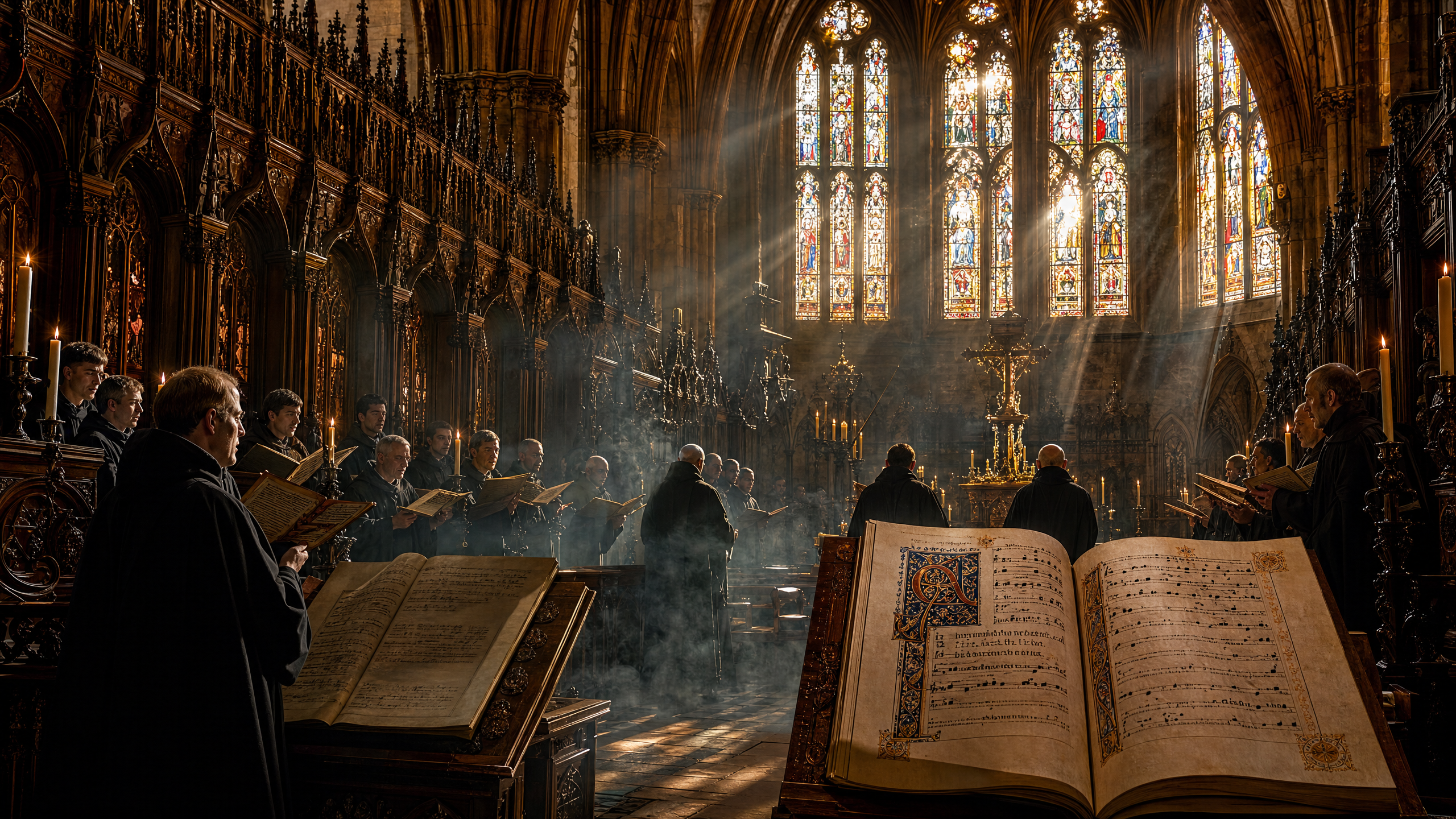
500–1600
Medieval & Renaissance
Where music evolved from monophonic chants echoing in cathedrals to complex polyphonic tapestries reflecting humanism and artistic innovation.
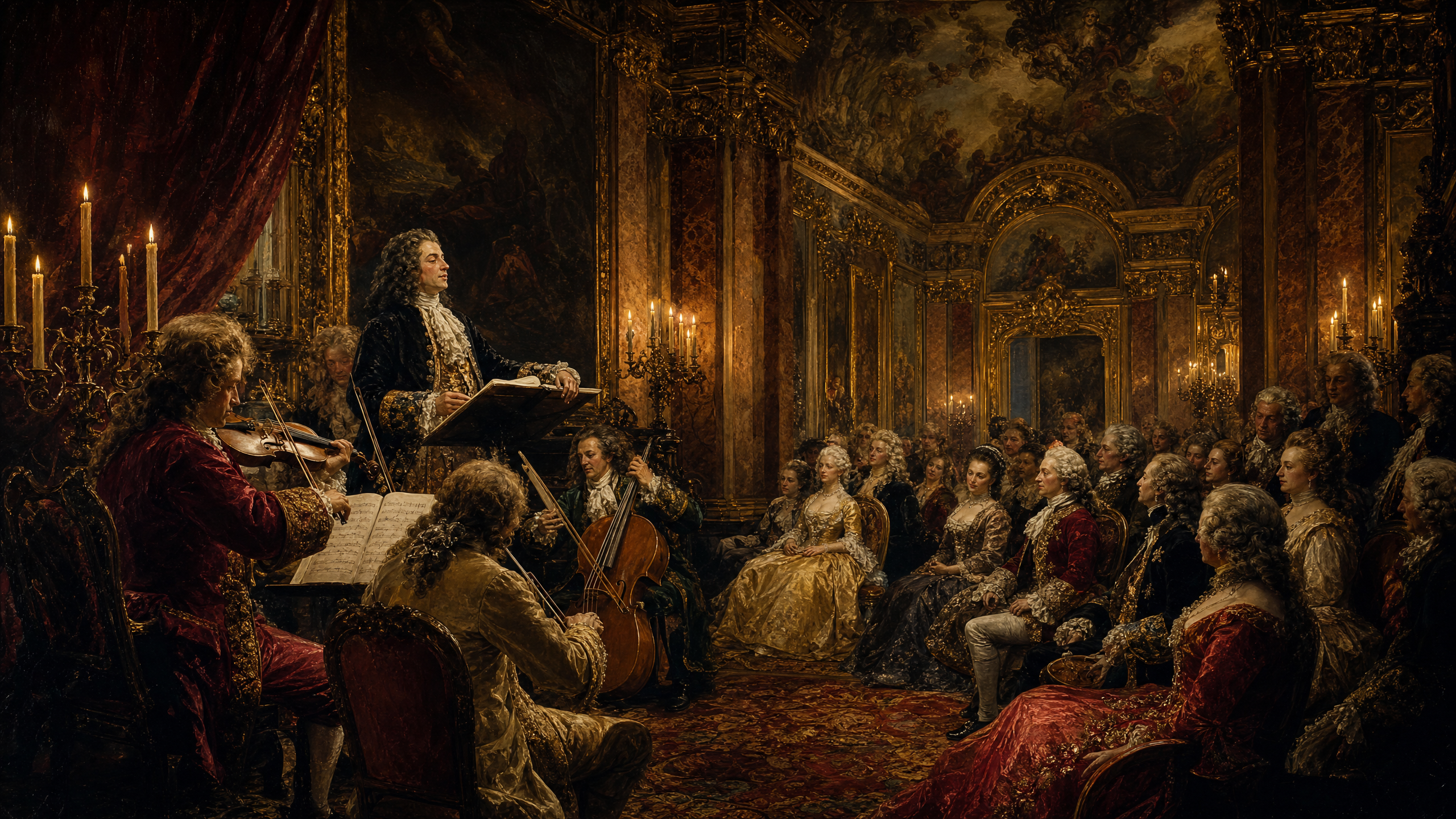
1600–1750
Baroque Era
An age of ornate grandeur and profound innovation, where music mirrored the opulence of absolute courts and the fervor of faith.
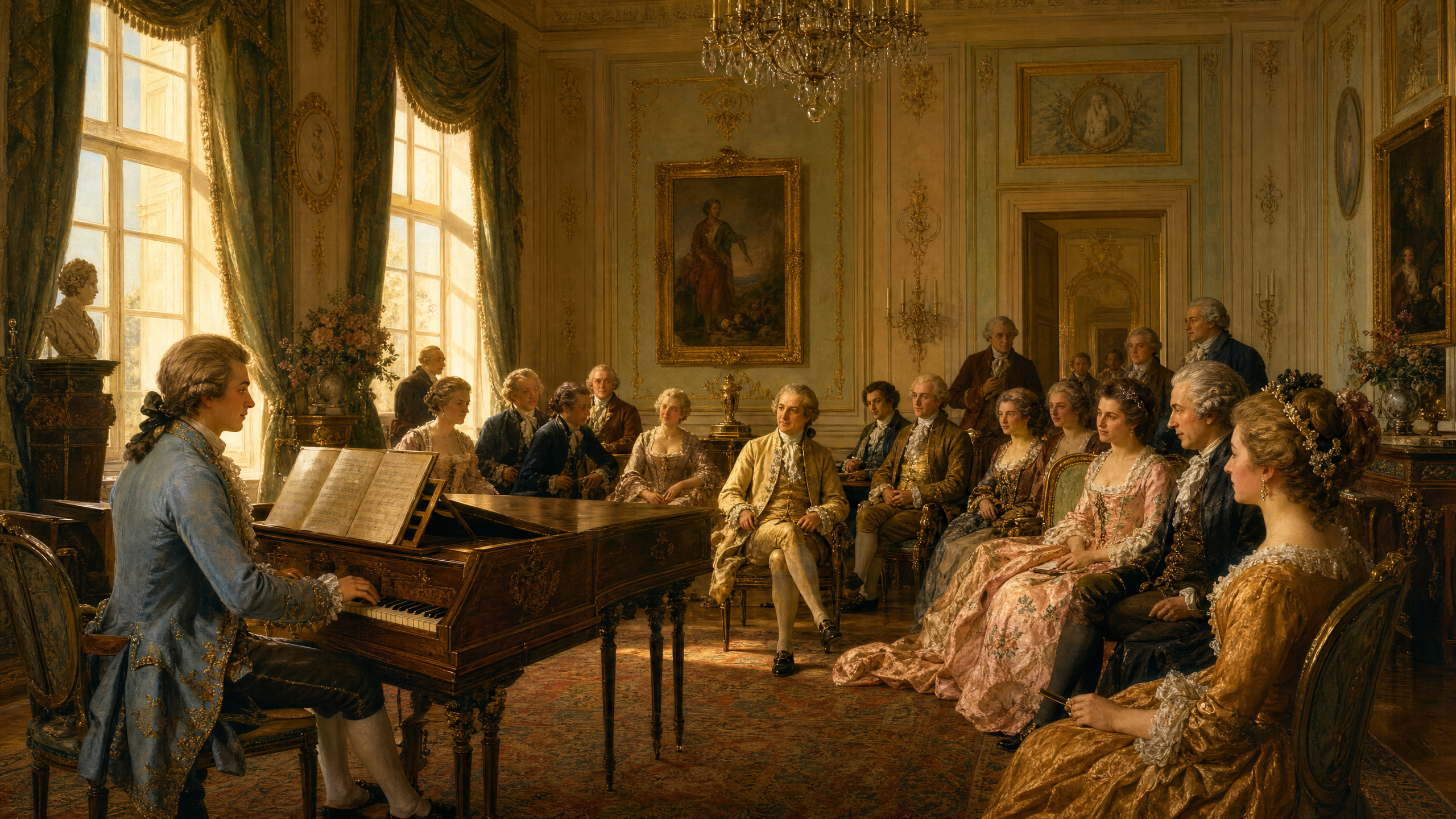
1750–1820
Classical Era
An age of elegant clarity and balanced form, where music mirrored the Enlightenment's pursuit of reason and universal appeal.
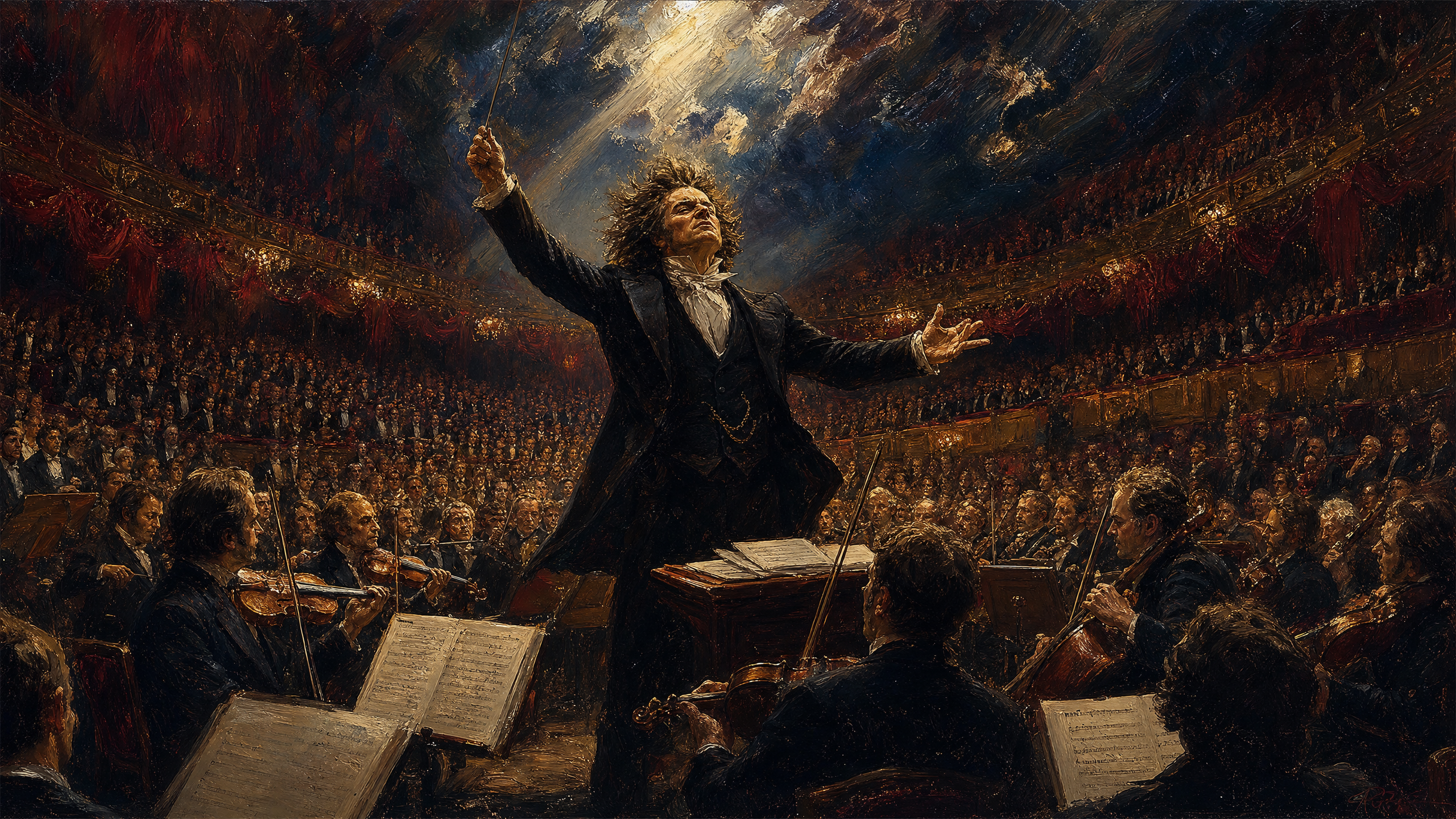
1820–1900
Romantic Era
The age of nationalism, revolution, and emotional intensity, where music became a profound expression of individual feeling and national spirit.
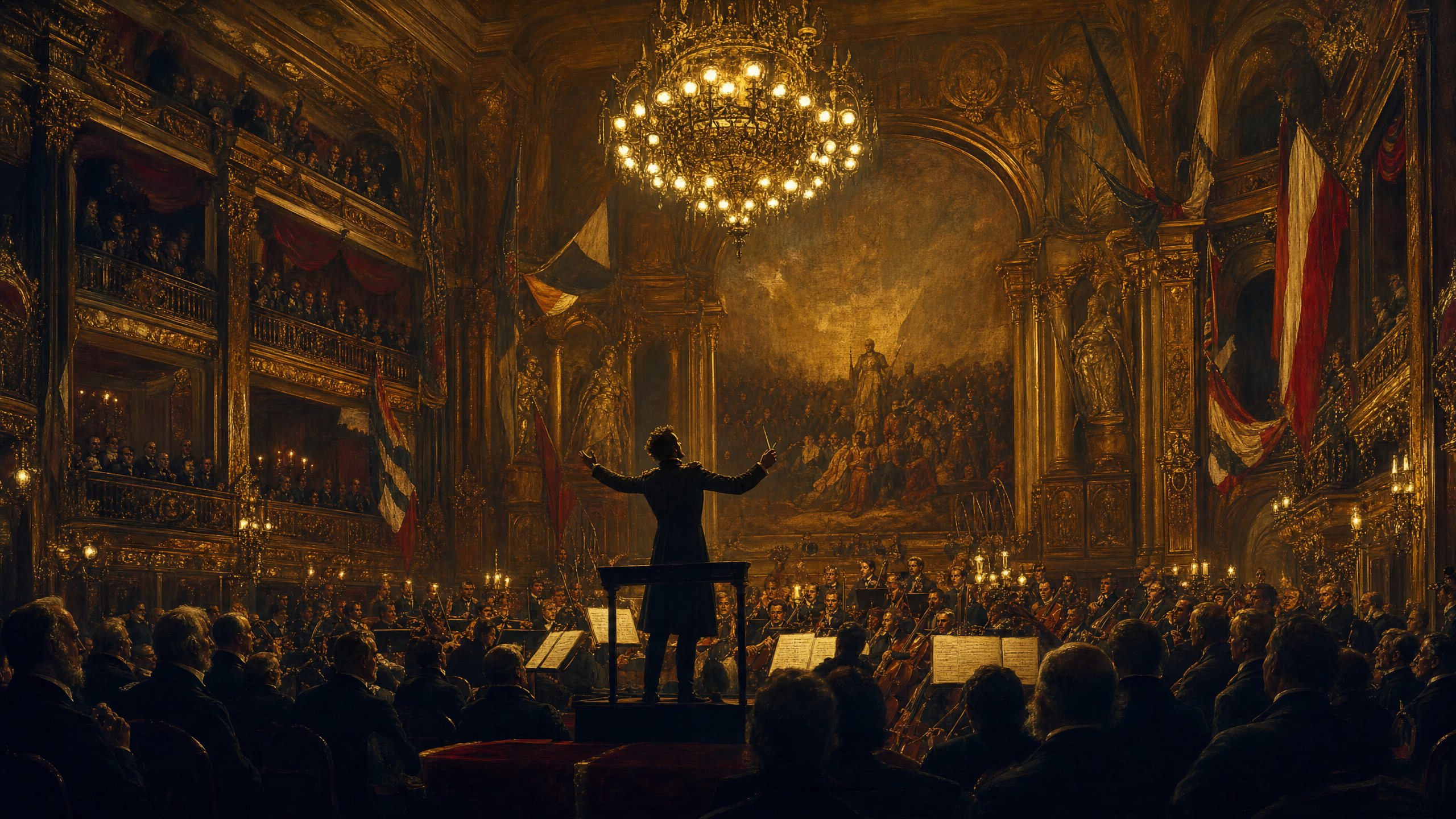
1850–1910
Late Romantic & Nationalist
The age of empire, national awakening, and the search for musical identity, as composers across Europe turned to their folk traditions to forge new voices.
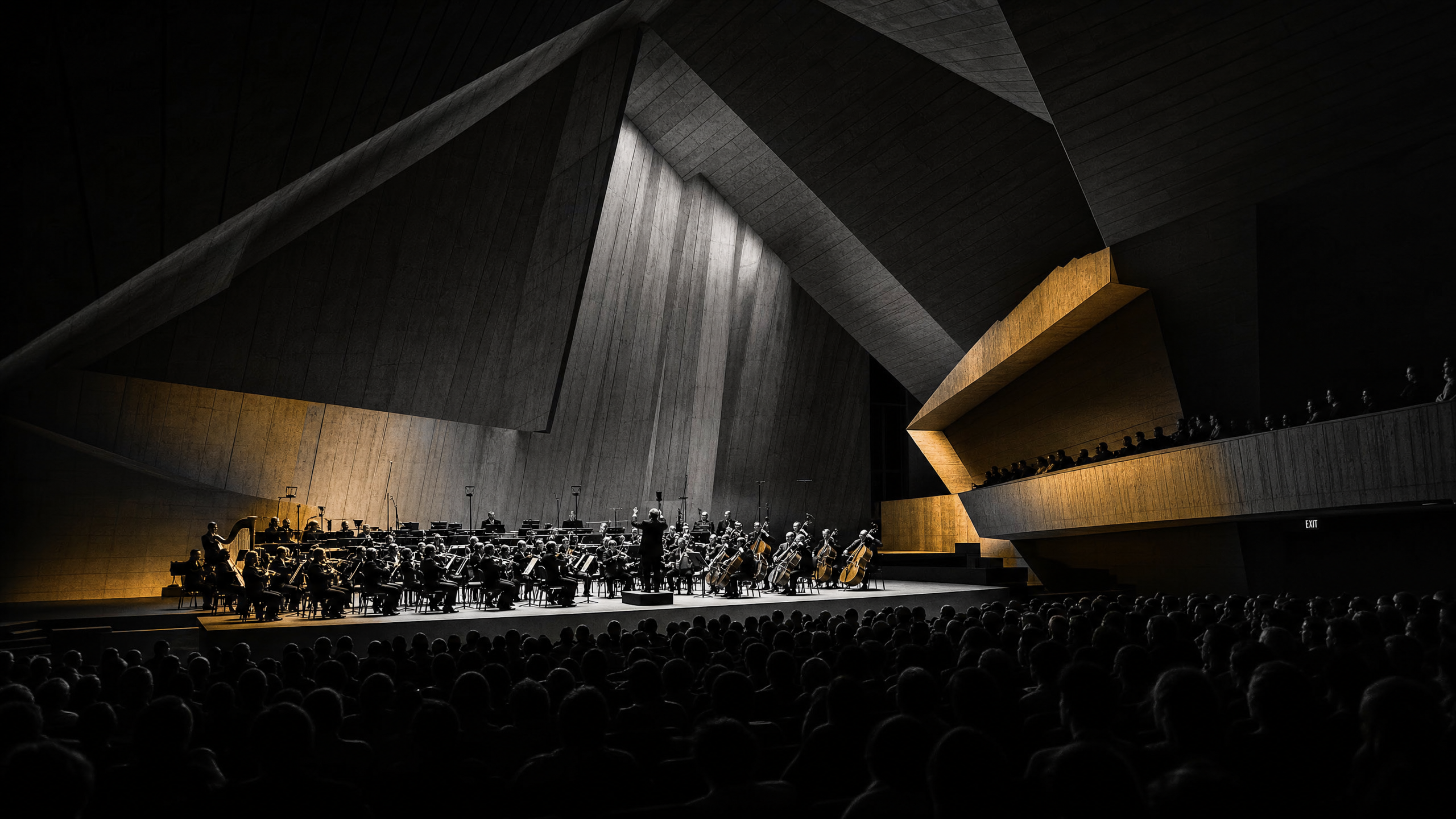
1900–1970
Modern & 20th Century
A tumultuous age where tradition shattered, giving rise to radical new sounds reflecting a world in constant upheaval.
History through music
Featured Stories
Handel's Messiah: When a King Stood Up
A piece of music so powerful that a king rose to his feet in reverence, starting a tradition that endures to this day. The story of Handel's Messiah is one of faith, ambition, and unexpected triumph.
Beethoven's Eroica: A Hero Dethroned
A symphony so grand and revolutionary, it was initially dedicated to a figure who would soon become its composer's greatest disappointment. The story of Beethoven and Napoleon.
Chopin's 'Heroic' Polonaise: A Nation's Cry for Freedom
Imagine a nation yearning for independence, its spirit embodied in the powerful strains of a piano. Frédéric Chopin, exiled from his beloved Poland, poured his patriotic fervor into music that became a symbol of resistance.
Shostakovich's Symphony of War and Resistance
Composed amidst the brutal siege of Leningrad, this symphony became a powerful symbol of defiance against Nazi aggression and a testament to human endurance.
A growing collection
The & Co. Series
Wolfgang & Co.
Six centuries of classical music, connected to the history that shaped it.
Pablo & Co.
The great visual artists, from the Renaissance masters to the Modernists.
Ernest & Co.
The writers who defined their age, from Homer to Hemingway.
Coco & Co.
Six centuries of fashion history, where clothing shaped culture and culture shaped clothing.