1900–1970
Modern & 20th Century
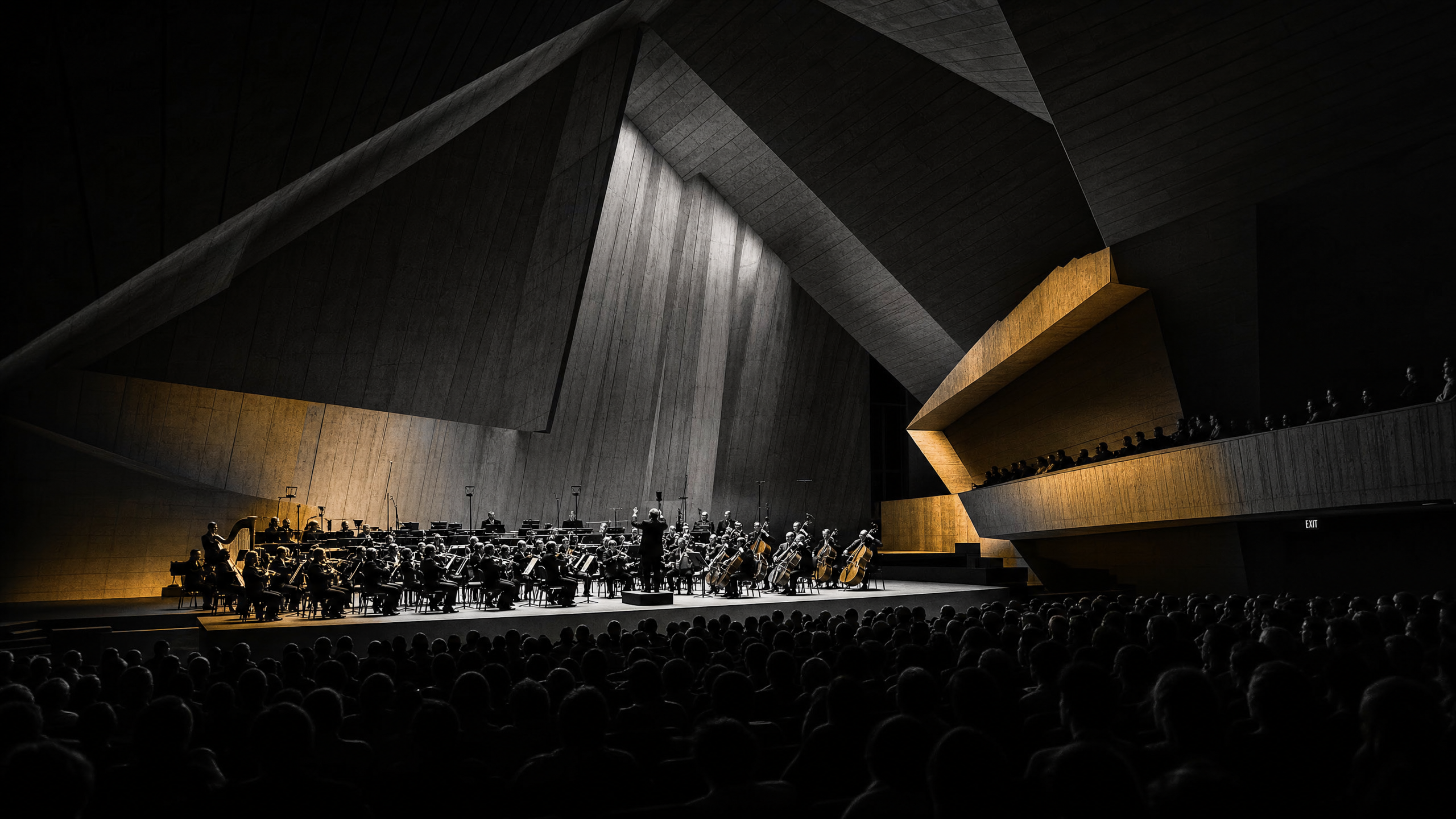
A tumultuous age where tradition shattered, giving rise to radical new sounds reflecting a world in constant upheaval.
Composers
5
Stories
3
Listening Journey
4 pieces
The World
Historical Context
The early to mid-20th century was defined by two devastating World Wars (1914–1918 and 1939–1945), the Russian Revolution (1917), the rise of totalitarian regimes, and the Cold War. These global conflicts and political shifts profoundly impacted artists, leading to a sense of disillusionment, a questioning of established norms, and a desire for radical change across all art forms. The era also saw rapid technological advancements and the burgeoning influence of jazz.
The Sound
What to Expect
This era's music is characterized by a dramatic departure from the lush harmonies and predictable structures of Romanticism. Listeners will encounter stark dissonances, atonality (music without a central key), fragmented melodies, and complex, often irregular rhythms. It can feel unsettling, intellectual, and emotionally raw, but also vibrant, experimental, and deeply expressive, reflecting the anxieties and innovations of its time.
The Masters
Key Composers
History through music
Stories of the Age
The Riotous Premiere of The Rite of Spring
Imagine a ballet so shocking, so primal, that it sparked a riot in the sophisticated Parisian audience. This wasn't just music; it was a cultural earthquake.
Igor Stravinsky
The Rite of Spring
Shostakovich's Symphony of War and Resistance
Composed amidst the brutal siege of Leningrad, this symphony became a powerful symbol of defiance against Nazi aggression and a testament to human endurance.
Dmitri Shostakovich
Symphony No. 7, 'Leningrad'
The Emancipation of Dissonance: Schoenberg's Revolution
What happens when a composer deliberately abandons the rules of harmony that governed music for centuries? A radical new sound emerges, challenging everything listeners thought they knew.
Arnold Schoenberg
Pierrot Lunaire
Start here
Your Listening Journey
A curated sequence of pieces to guide you through this era, from the most accessible entry point to deeper explorations.
Clair de Lune
Claude Debussy
Why start here
This iconic piece offers a gentle introduction to the era's atmospheric beauty and subtle harmonies, easing listeners into its unique sound world.
What to listen for
Pay attention to the delicate, shimmering textures and the way the melody seems to float, creating a dreamlike, impressionistic soundscape.
The Rite of Spring
Igor Stravinsky
Why start here
Experience the raw power and rhythmic innovation that shocked audiences and redefined music, a true turning point of the 20th century.
What to listen for
Focus on the aggressive, irregular rhythms, the harsh dissonances, and the primal energy that evokes ancient pagan rituals.
Symphony No. 7, 'Leningrad'
Dmitri Shostakovich
Why start here
An epic work that captures the human spirit's resilience amidst the horrors of war, a powerful emotional journey with an extraordinary historical context.
What to listen for
Follow the dramatic narrative, from the relentless 'invasion theme' to moments of profound sorrow and defiant hope.
Concerto for Orchestra
Béla Bartók
Why start here
Discover how folk music traditions were integrated into a sophisticated orchestral work, blending ancient roots with modern compositional techniques.
What to listen for
Notice the vibrant, percussive rhythms, the distinctive melodies inspired by Eastern European folk tunes, and the brilliant showcasing of individual orchestral sections.