The Riotous Premiere of The Rite of Spring
Imagine a ballet so shocking, so primal, that it sparked a riot in the sophisticated Parisian audience. This wasn't just music; it was a cultural earthquake.
Historical Context
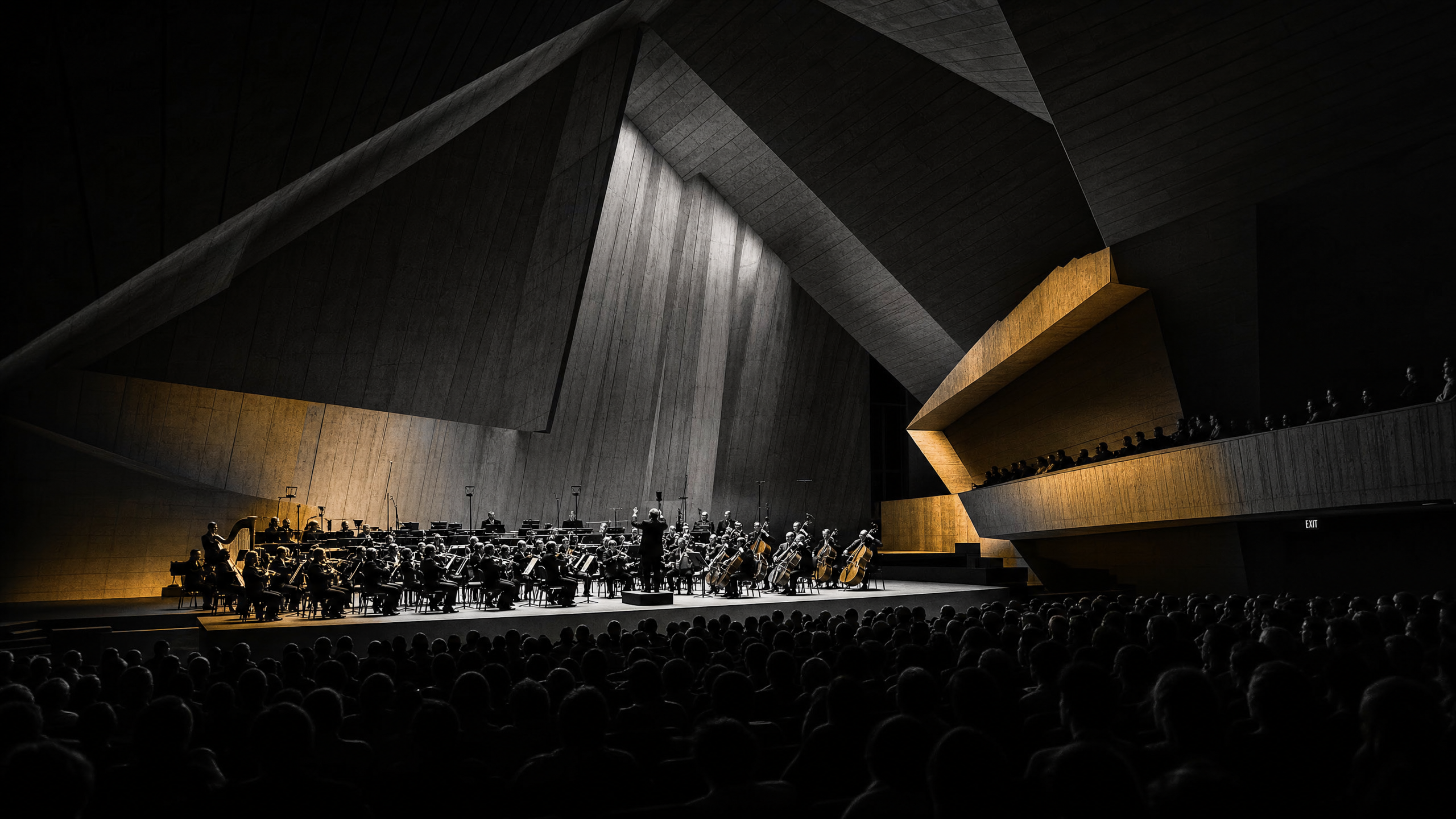
The 1913 premiere of The Rite of Spring in Paris, on the eve of the First World War.
The Story
In 1913, Stravinsky's ballet 'The Rite of Spring' depicted pagan rituals and human sacrifice with jarring dissonances and brutal rhythms. Its premiere in Paris was met with outrage, leading to a near-riot in the theater. The audience was divided between those who found it thrillingly new and those who found it an affront to civilization. This event symbolized a profound break from Romantic aesthetics, signaling a new era where art challenged, rather than comforted, its audience, reflecting the underlying tensions bubbling beneath the surface of pre-World War I Europe.
Deep Dive Essay
The full historical picture
The Earthquake at the Théâtre des Champs-Élysées
Paris, May 29, 1913. The City of Lights, a glittering jewel on the cusp of a new century, pulsed with a nervous energy. Europe, seemingly at its zenith, was a powder keg of imperial ambitions and burgeoning nationalisms. The Belle Époque's champagne bubbles were beginning to pop, revealing the grim realities beneath. The assassination of Archduke Franz Ferdinand was still a year away, but the air was thick with premonition. Art, ever a sensitive barometer of societal shifts, was already reflecting this unease. Cubism had shattered traditional perspectives in painting, and psychoanalysis was plumbing the depths of the human psyche. The old certainties were crumbling, and a new, unsettling modernity was taking hold. Parisian society, a heady mix of aristocrats, intellectuals, and bohemian artists, was accustomed to novelty, even scandal. But nothing could have prepared them for the seismic shock that was about to erupt on the stage of the new Théâtre des Champs-Élysées.
Into this vibrant, volatile world stepped Igor Stravinsky, a young Russian composer barely in his thirties, already celebrated for his exotic and groundbreaking ballets The Firebird and Petrushka. He was a rising star, a protégé of the legendary impresario Sergei Diaghilev and his revolutionary Ballets Russes. Stravinsky, however, was not content to merely charm his audiences. He envisioned something far more primal, a stark rejection of the delicate beauty and narrative grace that had long defined ballet. His new work, Le Sacre du Printemps or The Rite of Spring, was a visceral journey back to pagan Russia, a brutal depiction of ancient rituals culminating in human sacrifice.
The music itself was a deliberate assault on the senses. Gone were the flowing melodies and predictable harmonies of Romanticism. In their place, Stravinsky unleashed a torrent of jarring dissonances, where clashing notes rubbed against each other with a raw, almost violent energy. The rhythms were equally revolutionary, often irregular and pounding, mimicking the frenzied dance of a primitive tribe. Imagine a heartbeat gone wild, a drumbeat that is both hypnotic and terrifying. It was music that didn't just accompany the dance; it was the dance, a primal force that demanded a physical response. The choreography by Vaslav Nijinsky, equally radical, featured dancers with turned-in feet and angular, earthbound movements, a stark contrast to the ethereal grace expected of ballet.
The premiere was a riot, quite literally. Within minutes, the audience was divided into warring factions. Cheers and boos erupted, escalating into shouts and even physical altercations. Diaghilev famously kept the lights on, hoping to quell the chaos, but it only intensified. Stravinsky himself fled backstage, reportedly holding onto Nijinsky's coat tails as the uproar reached a fever pitch. This wasn't merely a bad review; it was a cultural earthquake, a moment when art ceased to be merely entertainment and became a battleground for the soul of modernity. The Rite of Spring was a harbinger, a musical prophecy of the upheaval to come. It ripped apart the genteel façade of pre-war Europe, exposing the raw, untamed forces lurking beneath. It proved that art could be unsettling, challenging, even ugly, and in doing so, it redefined what music could be, forever changing the landscape of 20th-century art. It remains a potent reminder that true innovation often arrives not with a gentle whisper, but with a thunderous roar.
The Piece
The Rite of Spring
Igor Stravinsky
Continue exploring
Back to Modern & 20th Century