Historical Context
The world that made this literature
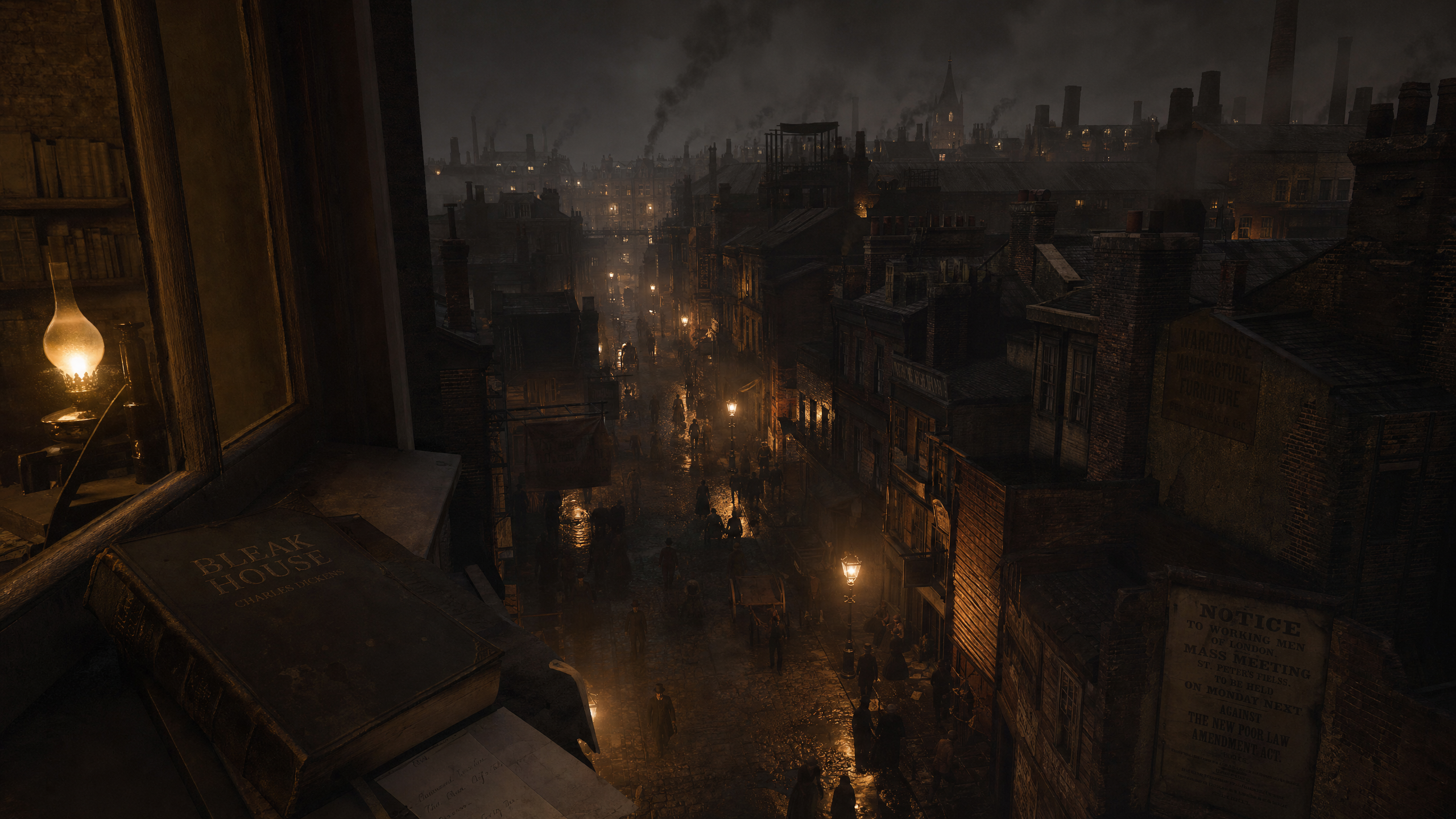
The Realism and Naturalism era (1850-1920) was profoundly shaped by rapid industrialization, leading to unprecedented social stratification and urban squalor. The rise of global empires, such as the British and French, fueled both economic expansion and intense social critique. Key events include the Crimean War (1853-1856), which exposed the brutal realities of modern warfare, and the French Revolution of 1848, which ignited widespread political unrest and a desire for social change. These upheavals, coupled with advancements in science and philosophy, prompted writers to examine society with a detached, objective lens, focusing on the lives of ordinary people and the deterministic forces influencing their destinies.
Literary Character
Literary Realism and Naturalism emerged as a reaction against Romanticism, prioritizing objective observation and detailed depiction of everyday life. Writers aimed for verisimilitude, presenting characters and settings with unflinching honesty, often focusing on the middle and lower classes. Themes frequently explored included social injustice, poverty, class struggle, and the psychological impact of industrialization. Naturalism, a more extreme form of Realism, applied scientific determinism to literature, portraying characters as products of their environment and heredity, often highlighting the darker aspects of human nature and societal decay. The novel became the dominant form, allowing for extensive character development and intricate plot structures.
Key Authors
The writers who defined the age
Literature meets history
Stories behind the books
The Mock Execution and Siberian Chains
Sentenced to death, a young writer faces the firing squad only to be spared at the last moment. Four years in a Siberian labor camp would forge the depths of his literary genius.
From Blacking Factory to Literary Stardom
A twelve-year-old boy toils in a rat-infested factory, his childhood stolen by poverty. This early trauma would fuel his passionate critique of Victorian society.
The Scandal of Madame Bovary
A novel depicting adultery and provincial ennui sparks a national scandal, leading to a sensational obscenity trial that challenged artistic freedom.
Curated reading journey
Where to start reading
War and Peace
Leo Tolstoy
This epic novel offers a panoramic view of Russian society during the Napoleonic Wars, introducing readers to the era's grand scale, philosophical depth, and intricate character development.
What to look for
Pay attention to Tolstoy's detailed historical descriptions, his philosophical digressions on history and free will, and the psychological evolution of characters like Pierre Bezukhov and Prince Andrei Bolkonsky. Notice how personal lives intertwine with monumental historical events.
Madame Bovary
Gustave Flaubert
A foundational text of literary realism, this novel provides an intimate look at provincial life in 19th-century France, showcasing Flaubert's meticulous style and psychological insight.
What to look for
Observe Flaubert's precise language and his objective, detached narrative voice. Look for themes of romantic disillusionment, the constraints of societal expectations, and the destructive power of unfulfilled desires. Pay attention to the detailed descriptions of everyday life.
Crime and Punishment
Fyodor Dostoevsky
This intense psychological thriller plunges into the moral and philosophical dilemmas of a young student, offering a powerful exploration of guilt, redemption, and the human psyche.
What to look for
Focus on Dostoevsky's exploration of Raskolnikov's motivations and internal struggles. Notice the vivid portrayal of St. Petersburg's impoverished districts and the philosophical debates on morality, free will, and the nature of good and evil that permeate the narrative.
AI-powered