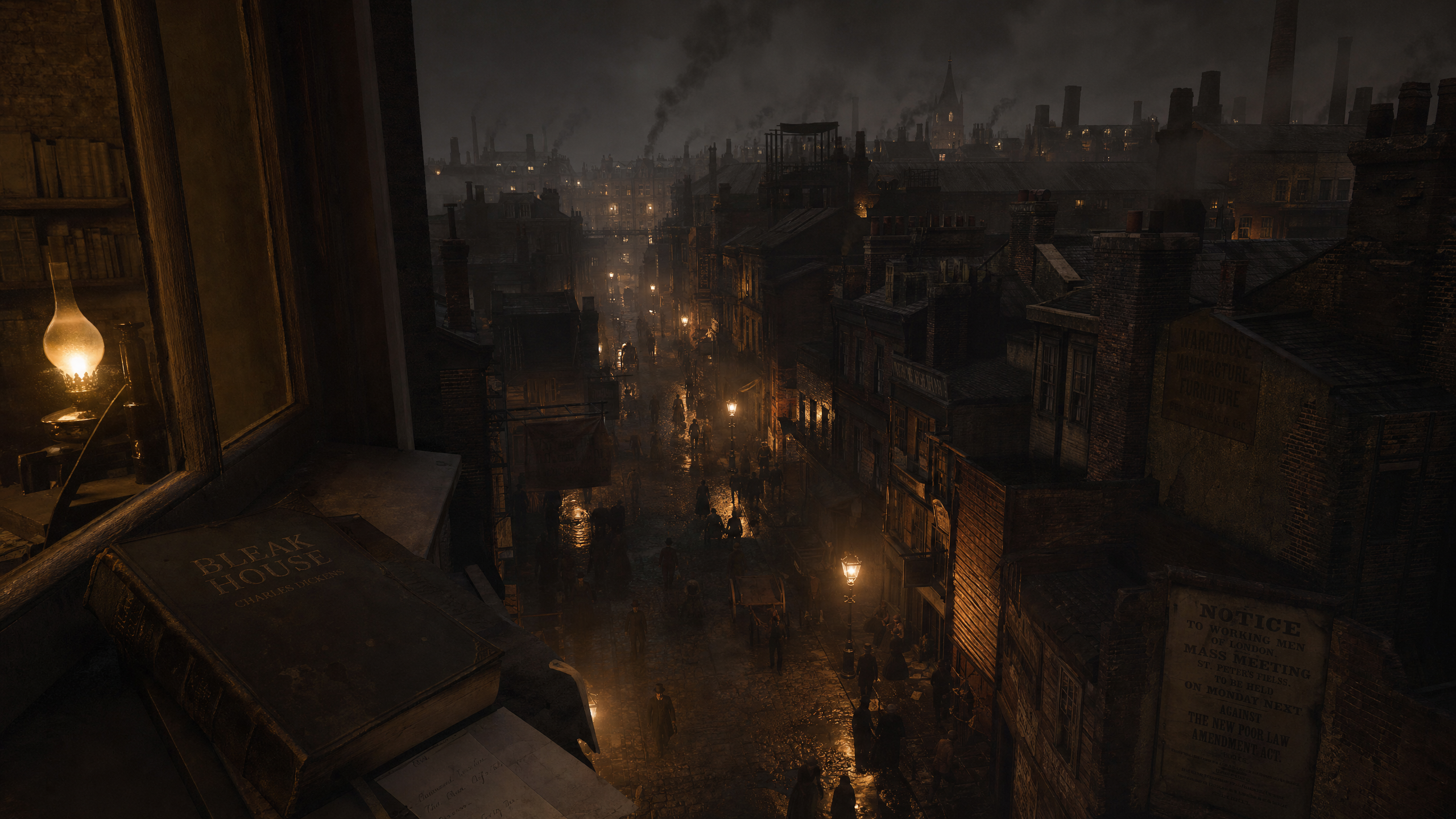
The Mock Execution and Siberian Chains
Sentenced to death, a young writer faces the firing squad only to be spared at the last moment. Four years in a Siberian labor camp would forge the depths of his literary genius.
Historical Context
The Petrashevsky Circle arrest and subsequent mock execution (1849)
The Story
In 1849, Fyodor Dostoevsky, a young writer, was arrested for his involvement with the Petrashevsky Circle, a group that discussed utopian socialist ideas critical of Tsarist Russia. He was sentenced to death by firing squad. On December 22, 1849, Dostoevsky and his fellow prisoners were led to Semyonovsky Square, where the first three were tied to stakes. Just as the execution was about to commence, a messenger arrived with a reprieve from Tsar Nicholas I, commuting their sentences to hard labor in Siberia. This harrowing experience, particularly the psychological torment of facing death, profoundly impacted Dostoevsky. His four years in a katorga labor camp, followed by military service in exile, exposed him to the harsh realities of human suffering and the complexities of the Russian soul, themes that would become central to his most celebrated works, including *Crime and Punishment* and *The Brothers Karamazov*.
Deep Dive Essay
The full historical picture
The Echo of Semyonovsky Square: Dostoevsky's Descent into the Underground
The World at the Time
Imagine Imperial Russia in the mid-19th century. It’s a land of vast plains and stark social contrasts, ruled by the iron fist of Tsar Nicholas I. This was a time of profound intellectual ferment, yet also one of rigid censorship and fear. Across Europe, revolutionary whispers of liberalism and socialism were challenging old monarchies, and Russia, despite its isolation, was not immune. Young, educated Russians, often from the gentry, gathered in clandestine circles to discuss forbidden ideas: the emancipation of serfs, the reform of the legal system, even the possibility of a constitution. These were not revolutionaries in the modern sense, but rather idealists yearning for a more just society. One such gathering was the Petrashevsky Circle, a group of intellectuals who met in St. Petersburg to debate utopian socialist theories. Their discussions, though largely theoretical, were seen as a direct threat to the autocratic state. The Tsar, ever vigilant against dissent, viewed any deviation from absolute loyalty as treason.
The year 1849 was particularly tense. Revolutionary fervor had swept through Europe the previous year, and Nicholas I, a staunch conservative, was determined to stamp out any similar sparks in his own empire. The Petrashevsky Circle, with its radical talk of social change, became a target. The arrests were swift and brutal, a chilling reminder of the state’s absolute power. The subsequent mock execution, a psychological torture designed to break the spirits of the condemned, was a particularly cruel demonstration of this power, leaving an indelible scar on those who endured it.
The Author and the Work
Among those arrested and led to Semyonovsky Square on that frigid December 22, 1849, was a young writer named Fyodor Dostoevsky. At this point, he was a promising literary talent, having already published his first novel, Poor Folk. But the Dostoevsky who stood before the firing squad, facing what he believed to be his last moments, was not yet the literary titan we know. The experience of the mock execution, followed by four years of hard labor in a Siberian katorga camp and subsequent military exile, fundamentally reshaped him. He witnessed human depravity and resilience firsthand, grappling with questions of faith, free will, and the very nature of good and evil.
These harrowing years were the crucible in which Dostoevsky’s unique vision was forged. Two decades later, in 1864, he would publish Notes from Underground. This novella is a searing, confessional monologue from a bitter, isolated narrator, a retired civil servant living in the shadows of St. Petersburg. He rails against the rationalism and utopian ideals of his time, arguing for the inherent irrationality and perversity of human nature. The "underground man" is a man of contradictions, simultaneously brilliant and petty, insightful and self-loathing. He embodies the psychological scars left by a world that promises progress but often delivers only alienation and suffering. His voice, raw and unfiltered, is a direct challenge to the optimistic narratives of human perfectibility that were popular in Dostoevsky's era.
Why It Still Matters
Notes from Underground is more than just a literary curiosity; it's a profound exploration of the human psyche that resonates deeply today. It reveals the simmering anxieties and disillusionment beneath the surface of 19th-century Russian society, a society grappling with rapid change and the limitations of grand ideologies. Dostoevsky, scarred by his own brush with death and the harsh realities of Siberia, understood the dark corners of the human heart. For a modern reader, the underground man’s struggle with self-identity, his rebellion against societal expectations, and his profound sense of alienation feel strikingly contemporary. In an age of digital isolation and existential angst, Dostoevsky's unflinching portrayal of a man wrestling with his own contradictions reminds us that the human condition, with all its complexities and absurdities, remains eternally relevant.
The Work
Notes from Underground
Fyodor Dostoevsky
Continue exploring
Back to Realism & Naturalism