Historical Context
The world that made this literature
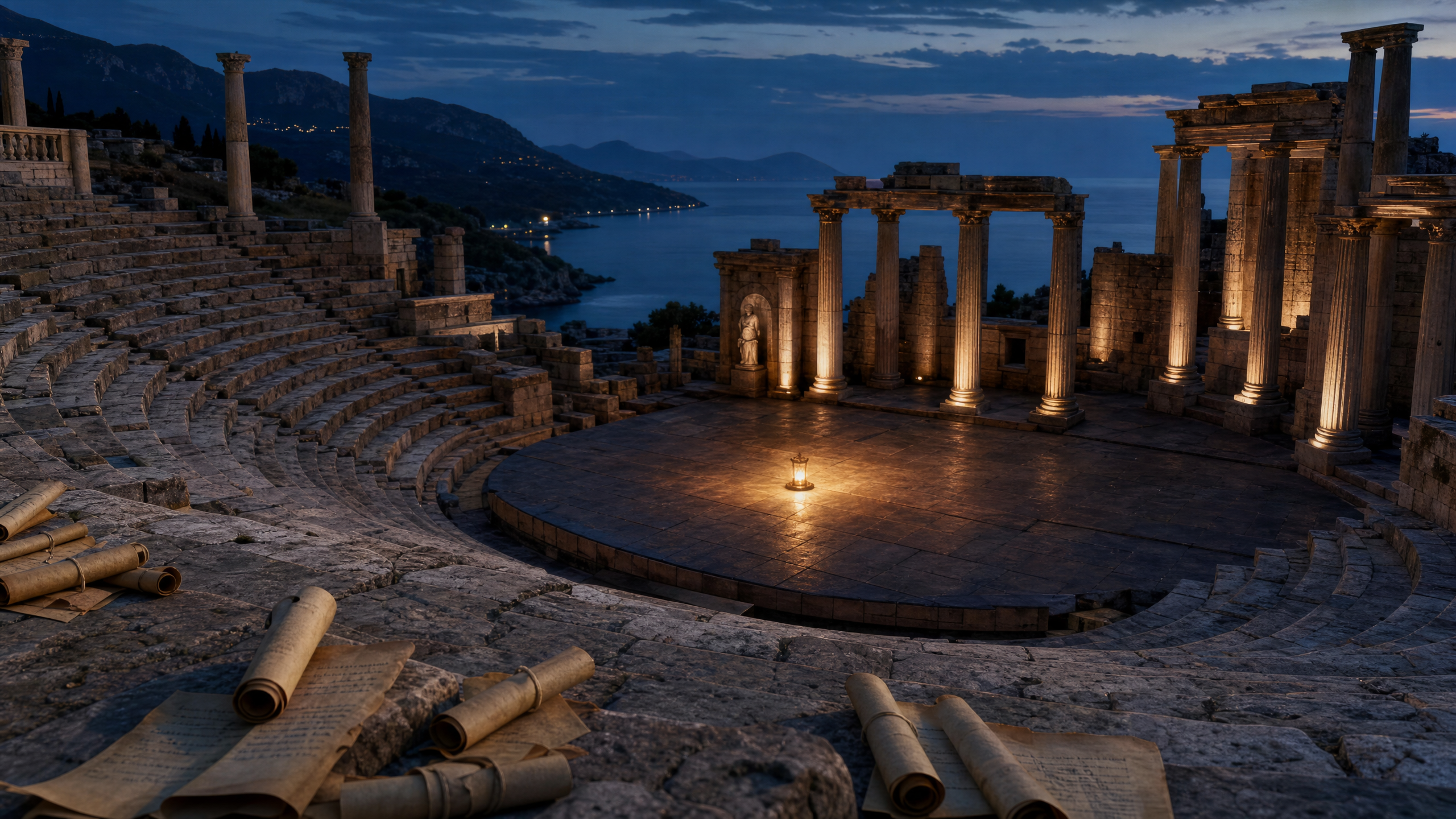
The Ancient & Classical Literature era, spanning from 800 BC to 500 AD, was profoundly shaped by monumental historical events. The epic narratives of Homer, such as the Iliad and the Odyssey, emerged from an oral tradition in the 8th century BC, reflecting the societal values and conflicts surrounding events like the legendary Trojan War. Later, the flourishing of democracy and intellectual discourse in Athens during the 5th and 4th centuries BC (the Classical era) gave rise to the golden age of Greek tragedy and comedy, with playwrights like Sophocles and Aristophanes exploring profound human dilemmas and societal critiques. The expansion of Greek culture during the Hellenistic era, following the conquests of Alexander the Great (356-323 BC), significantly influenced Roman literature. Finally, the decline and eventual fall of the Western Roman Empire in 476 AD marked a pivotal shift, leading to a literary landscape that grappled with imperial power, moral decay, and the rise of Christianity.
Literary Character
Ancient and Classical literature is characterized by its foundational influence on Western thought and artistic expression. Early Greek literature, epitomized by Homer, was rooted in an oral tradition, focusing on epic poetry that celebrated heroic deeds, divine intervention, and the human condition. Themes of fate, honor, and the consequences of war were central. The Classical Greek period saw the development of drama, with tragedy exploring universal moral questions and human suffering, often through mythological narratives, while comedy offered social and political satire. Roman literature, while often drawing inspiration from Greek models, tended to be more pragmatic and focused on civic virtue, law, and the realities of empire. Key forms included epic poetry (Virgil's Aeneid), lyrical poetry (Ovid), and philosophical treatises, often reflecting a blend of Greek intellectualism and Roman practicality.
Key Authors
The writers who defined the age
Literature meets history
Stories behind the books
The Unstoppable Rage of Achilles
When honor is stolen, a warrior's fury can turn the tide of war. Witness the devastating consequences of Achilles' wrath.
Aeneas and Dido: Love, Duty, and the Founding of Rome
A queen's love, a hero's destiny, and the agonizing choice that shaped an empire. Explore the tragic romance that forged Rome's future.
Oedipus: The King Who Unknowingly Fulfilled His Doom
A city ravaged by plague, a king determined to find the truth, and a prophecy that unravels his very existence. Witness the tragic irony of Oedipus.
Curated reading journey
Where to start reading
The Iliad
Homer
Begin your journey into Ancient & Classical Literature with the foundational epic that defines heroism and the human cost of war.
What to look for
Pay attention to the concept of 'arête' (excellence), the role of the gods in human affairs, and the vivid descriptions of battle and emotional conflict. Notice how individual choices drive the larger narrative.
The Aeneid
Virgil
Explore the Roman epic that provides a mythological foundation for the Roman Empire, blending adventure with profound themes of duty and destiny.
What to look for
Observe how Virgil adapts Greek epic traditions to Roman values. Focus on Aeneas's struggle between personal desire and his fated mission, and the political undertones that connect the narrative to Augustus's reign.
Oedipus Rex
Sophocles
Delve into the pinnacle of Greek tragedy, a gripping tale of fate, free will, and the relentless pursuit of truth with devastating consequences.
What to look for
Examine the interplay between prophecy and human action, the dramatic irony inherent in Oedipus's quest, and the profound themes of knowledge, blindness, and the nature of justice in ancient Greek society.
AI-powered