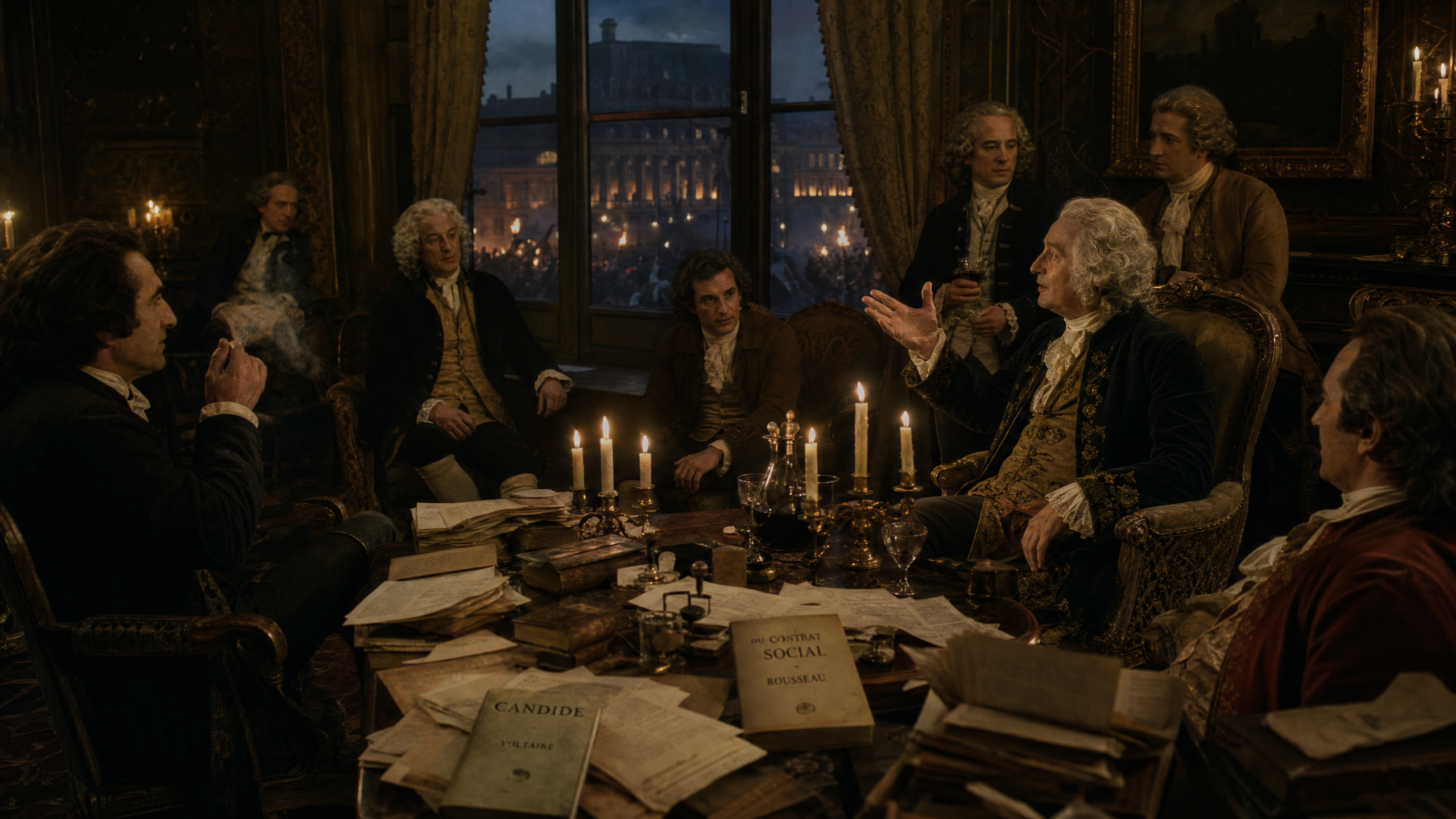
The Byronic Hero's Balkan Adventures
A charismatic, brooding poet abandons aristocratic comfort for the fight for freedom. His life becomes as dramatic as his verse.
Historical Context
Greek War of Independence (early 19th century)
The Story
Lord Byron, already a literary sensation and the embodiment of the Byronic hero, became deeply involved in the Greek War of Independence against the Ottoman Empire. His travels through the Balkans and his passionate support for Greek freedom were not merely political acts but extensions of his Romantic ideals. *Childe Harold's Pilgrimage*, a narrative poem describing a disillusioned young man's travels, resonated with a Europe weary of war and seeking new forms of heroism. Byron's own life mirrored his literary creations; he spent his fortune, health, and ultimately his life in Greece, dying of fever in Missolonghi in 1824. His death cemented his status as a Romantic martyr, a symbol of revolutionary fervor and individual sacrifice for a noble cause, blurring the lines between his poetic persona and his real-world actions.
Deep Dive Essay
The full historical picture
The Poet, The Pasha, and the Powder Keg: Byron in the Balkans
The early 19th century was a world still reeling from the seismic shockwaves of the French Revolution and the subsequent Napoleonic Wars. Europe, having witnessed the rise and fall of empires, was a continent of shifting allegiances and simmering resentments. Old monarchies clung to power, while new ideas of liberty, nationhood, and individual rights began to take root, often violently. It was an age of grand pronouncements and even grander sacrifices, where the ideals of freedom were often paid for in blood. In the Ottoman-controlled Balkans, particularly Greece, centuries of subjugation had bred a fierce desire for independence. The air was thick with revolutionary whispers, and the stage was set for a dramatic clash between ancient empires and nascent nations.
Into this turbulent landscape strode George Gordon Byron, the 6th Baron Byron, a man who seemed to embody the very spirit of the age. By 1812, when the first cantos of his epic poem, Childe Harold's Pilgrimage, were published, Byron was already a literary supernova. He was handsome, scandalous, and possessed of a brooding charisma that captivated society. He was the original rock star, a celebrity whose every move was scrutinized, his every poem devoured. But beneath the dazzling surface lay a restless soul, disillusioned with the polite society of London and yearning for something more profound, more authentic.
Childe Harold's Pilgrimage was not a traditional narrative with a clear plot. Instead, it was a sprawling, lyrical journey through the landscapes and histories of Europe, seen through the eyes of a melancholic, world-weary young nobleman. Harold, a stand-in for Byron himself, wanders through Portugal, Spain, Albania, and Greece, reflecting on the ruins of empires, the beauty of nature, and the futility of human ambition. It was a poem that spoke directly to a generation exhausted by war and searching for meaning beyond the battlefield. Byron's vivid descriptions of exotic lands and his hero's profound introspection resonated deeply, creating a new literary archetype: the Byronic hero, a figure both alluring and dangerous, driven by passion and shadowed by a mysterious past.
Byron's own life, however, would soon outstrip even his most dramatic verses. His passionate support for Greek independence was not just a political stance; it was a deeply personal crusade. He poured his fortune, his energy, and ultimately his life into the cause, journeying to Greece in 1823. He trained troops, funded the rebellion, and became a symbol of hope for the struggling Greeks. His death from fever in Missolonghi in 1824 cemented his legend. He became a martyr for freedom, a poet who literally gave his life for his ideals.
"The Byronic Hero's Balkan Adventures" reveals the profound connection between art and life in the Romantic era. Byron's journey, both literary and literal, illustrates how deeply intertwined personal expression and political action could be. His story reminds us that literature is not merely words on a page, but a living force capable of inspiring revolutions, shaping identities, and leaving an indelible mark on history. For a modern reader, Byron's legacy is a powerful testament to the enduring human desire for freedom, and the extraordinary lengths to which one individual might go to achieve it.
The Work
Childe Harold's Pilgrimage
Lord Byron
Continue exploring
Back to Enlightenment & Romantic Literature